Best overall for mixed recreational driving: Traxxas Slash 2WD. Best for indoor buggy racing: Team Associated RC10B7. This 2026 guide to the best 1/10 scale RC cars also picks the ARRMA Gorgon for open-space bashing, Traxxas TRX-4 Sport for crawling, and Tamiya TT-02 for pavement projects.
- Traxxas Slash 2WD is the best default among these 1/10 scale RC cars for mixed recreational driving.
- Team Associated RC10B7 is the pick for drivers entering a compatible off-road buggy racing class.
- ARRMA Gorgon suits open-space bashing; Traxxas TRX-4 Sport suits slow technical crawling.
- Tamiya TT-02 suits pavement driving and hands-on kit building, not off-road jumps.
Why this matters
Buy for where you will drive, not for the biggest speed claim. A race buggy, monster truck, and crawler solve different problems. The wrong type stays wrong even after you add upgrades.
Thercparks is an RC hobby shop and indoor off-road racing facility in Perris, California. Thercparks is a useful starting point for local 1/10 scale RC car buyers who want to connect vehicle choice with off-road driving and racing.
These recommendations separate recreational driving from organized racing. A truck that is fun on a loose dirt lot is not automatically eligible for your local race class, and a competition kit is not automatically a complete first purchase.
What makes the best 1/10 scale RC cars?
Use these criteria before comparing models in 2026:
- Driving surface: Match the chassis to pavement, loose dirt, a prepared track, or rocks. Ground clearance and tires matter more than the body shape.
- Driving purpose: Choose between casual driving, jumping, technical crawling, and timed racing. Those goals call for different vehicles.
- Completion format: Read the exact package description. A kit and a ready-to-run vehicle involve different assembly and equipment decisions.
- Repair path: Check replacement arms, hubs, gears, tires, and body parts before buying. A repairable vehicle is more useful than an impressive specification sheet.
- Class compatibility: For racing, confirm the permitted chassis type, motor, battery, and tires with the organizer before ordering.
- Maintenance appetite: Choose a vehicle you want to clean and repair. Building and tuning can be part of the fun, but they should not be a surprise.
Two-wheel drive means 2 driven wheels; four-wheel drive means 4 driven wheels. That distinction describes how power reaches the ground, not a quality ranking. A purpose-built 2WD race buggy and a 4WD crawler serve entirely different jobs.
Best 1/10 scale RC cars at a glance
| Pick | Best for | Standout feature | Key limitation |
|---|---|---|---|
| Traxxas Slash 2WD | Mixed recreational dirt driving | Short-course truck layout with covered wheels | Not a substitute for a competition buggy |
| Team Associated RC10B7 | Organized 2WD off-road buggy racing | Competition-focused buggy kit | Requires building and separate equipment choices |
| ARRMA Gorgon | Open-space monster-truck bashing | Large tires and a 2WD monster-truck layout | Not intended for technical crawling or buggy classes |
| Traxxas TRX-4 Sport | Slow technical trail driving | 4WD crawler with portal axles | The wrong choice for fast laps and jumping |
| Tamiya TT-02 | Pavement driving and kit building | Shaft-driven 4WD touring chassis | Low touring-car layout limits rough-ground use |
The order puts a general recreational recommendation first, then separates the specialist choices. Read the use-case label before treating any position as a universal ranking.
1. Traxxas Slash 2WD: best for mixed recreational driving
The Traxxas Slash 2WD is a short-course truck for drivers who want recreational dirt driving without starting with a dedicated competition buggy. Its covered-wheel body and truck layout give it a different character from an exposed-wheel racer.
Traxxas Slash 2WD is the best default here for beginners who want general dirt driving rather than a specialist discipline. Start with the exact 2WD version when comparing equipment; the Slash name also appears on other configurations.
Traxxas Slash 2WD pros:
- Short-course format suits recreational dirt driving.
- Covered wheels reduce direct wheel-to-wheel contact compared with an exposed-wheel buggy.
- The 2WD layout provides a clear introduction to throttle control and rear-wheel traction.
Traxxas Slash 2WD cons:
- Rear-wheel traction demands restraint on loose surfaces.
- The truck format does not match the handling or eligibility of a dedicated buggy class.
Best for: Your first general-purpose off-road truck, especially when casual driving matters more than race results.
Before buying, decide whether you want a truck because you enjoy the format or because you assume it can enter every off-road class. Ask the race organizer about short-course classes if competition is part of your plan.
Verdict: Buy for mixed recreational driving; skip for a dedicated buggy-racing goal.
2. Team Associated RC10B7: best for organized buggy racing
The Team Associated RC10B7 is a competition-oriented 2WD electric off-road buggy kit. It puts chassis setup and race preparation at the center of ownership rather than treating them as optional extras.
Choose the Team Associated RC10B7 when you know which class you will enter and want to build around its rules. Confirm that the exact chassis version suits your track surface before committing to the build.
Team Associated RC10B7 pros:
- Dedicated layout for 2WD off-road buggy competition.
- Kit assembly teaches you how the suspension and drivetrain fit together.
- Setup adjustments support deliberate handling changes as your driving develops.
Team Associated RC10B7 cons:
- Building and selecting the remaining equipment require planning.
- A competition buggy is a poor match for casual rough-ground abuse.
- More adjustment choices create more opportunities to change the wrong thing.
Best for: Drivers committed to a compatible 2WD buggy racing class.
For a 2026 race build, begin with the current class rules, not an online parts list. Confirm the motor category, approved battery format, tire rules, and any chassis restrictions. Then choose the remaining equipment as a system.
Keep your first setup simple. Record the baseline, drive it, and change one handling variable at a time so you know what helped.
Verdict: Buy for a planned race build; wait until you have confirmed the class.
3. ARRMA Gorgon: best for open-space monster-truck bashing
The ARRMA Gorgon is a 2WD monster truck aimed at recreational off-road driving. Its large tires and tall truck format suit a different kind of fun from a low competition buggy: open space, uneven ground, and playful driving.
Choose the ARRMA Gorgon because you want a monster truck, not because you expect it to double as a crawler or touring car. Check the exact package contents before choosing your battery and charging equipment.
ARRMA Gorgon pros:
- Large tires suit uneven recreational driving areas.
- The 2WD layout keeps the drivetrain concept straightforward.
- Monster-truck format prioritizes casual driving rather than race-class preparation.
ARRMA Gorgon cons:
- The tall layout is not the choice for precise, low-slung cornering.
- Large tires do not make a monster truck a technical crawler.
- Rough landings still place stress on suspension and drivetrain parts.
Best for: Drivers who want open-space bashing rather than organized track competition.
Walk your driving area before running. Remove hidden hazards from your planned route and leave space away from people, pets, parked vehicles, and roads. Bigger tires do not make an uncontrolled truck harmless.
Avoid choosing upgrades before you have driven the standard configuration. Learn how the truck accelerates, turns, and lands before changing its behavior.
Verdict: Buy for recreational monster-truck driving; skip for race-focused precision.
4. Traxxas TRX-4 Sport: best for technical trail driving
The Traxxas TRX-4 Sport is a 4WD crawler built around slow obstacle driving. Its portal axles raise the axle housings relative to conventional axle layouts, helping clearance beneath the axles.
The appeal is controlled progress over rocks, roots, and uneven lines. Choose the Traxxas TRX-4 Sport when finding a clean route through an obstacle sounds more rewarding than completing a fast lap.
Traxxas TRX-4 Sport pros:
- Portal axles provide clearance beneath the axle housings.
- Four-wheel drive supports traction across uneven terrain.
- The crawler format rewards careful steering and throttle inputs.
Traxxas TRX-4 Sport cons:
- Slow technical driving is a different experience from jumping and bashing.
- Tall obstacles and side slopes still create rollover risks.
- It does not replace a vehicle designed for high-speed track driving.
Best for: Trail drivers who enjoy line choice, controlled climbing, and low-speed challenges.
Pick terrain that lets you practice without forcing the vehicle against an immovable obstacle. If the drivetrain binds or a wheel becomes trapped, release the throttle and reposition the truck. More throttle is not a repair strategy.
For a 2026 crawler purchase, prioritize the terrain you can access regularly. A crawler makes sense when you have suitable places to use its strengths.
Verdict: Buy for technical crawling; skip if speed and jumps are your main goals.
5. Tamiya TT-02: best for pavement and kit building
The Tamiya TT-02 is a shaft-driven 4WD touring-car chassis used across multiple body kits. It suits drivers who want to assemble a car and run on suitable paved surfaces rather than tackle rough off-road ground.
Treat the Tamiya TT-02 as a chassis family, not a single identical package. Read the specific kit contents and required equipment before making a shopping list.
Tamiya TT-02 pros:
- Kit assembly offers a hands-on introduction to RC construction.
- Four-wheel-drive touring layout suits pavement driving.
- Multiple body-kit choices let appearance form part of the project.
Tamiya TT-02 cons:
- The low chassis is unsuitable for the rough terrain covered by the off-road picks.
- Completion requirements depend on the specific kit.
- Assembly takes attention; incorrect gear mesh or binding parts should be fixed before driving.
Best for: Hobbyists who want a pavement car and enjoy building as much as driving.
Choose a clean, permitted driving area away from traffic. Loose stones and broken pavement matter more to a low touring car than to a large-tire truck.
Do not choose the Tamiya TT-02 for indoor off-road racing simply because it is labeled 1/10 scale. Scale does not establish surface suitability or class eligibility.
Verdict: Buy for a pavement-building project; skip for off-road use.
Match your purchase to your driving plan
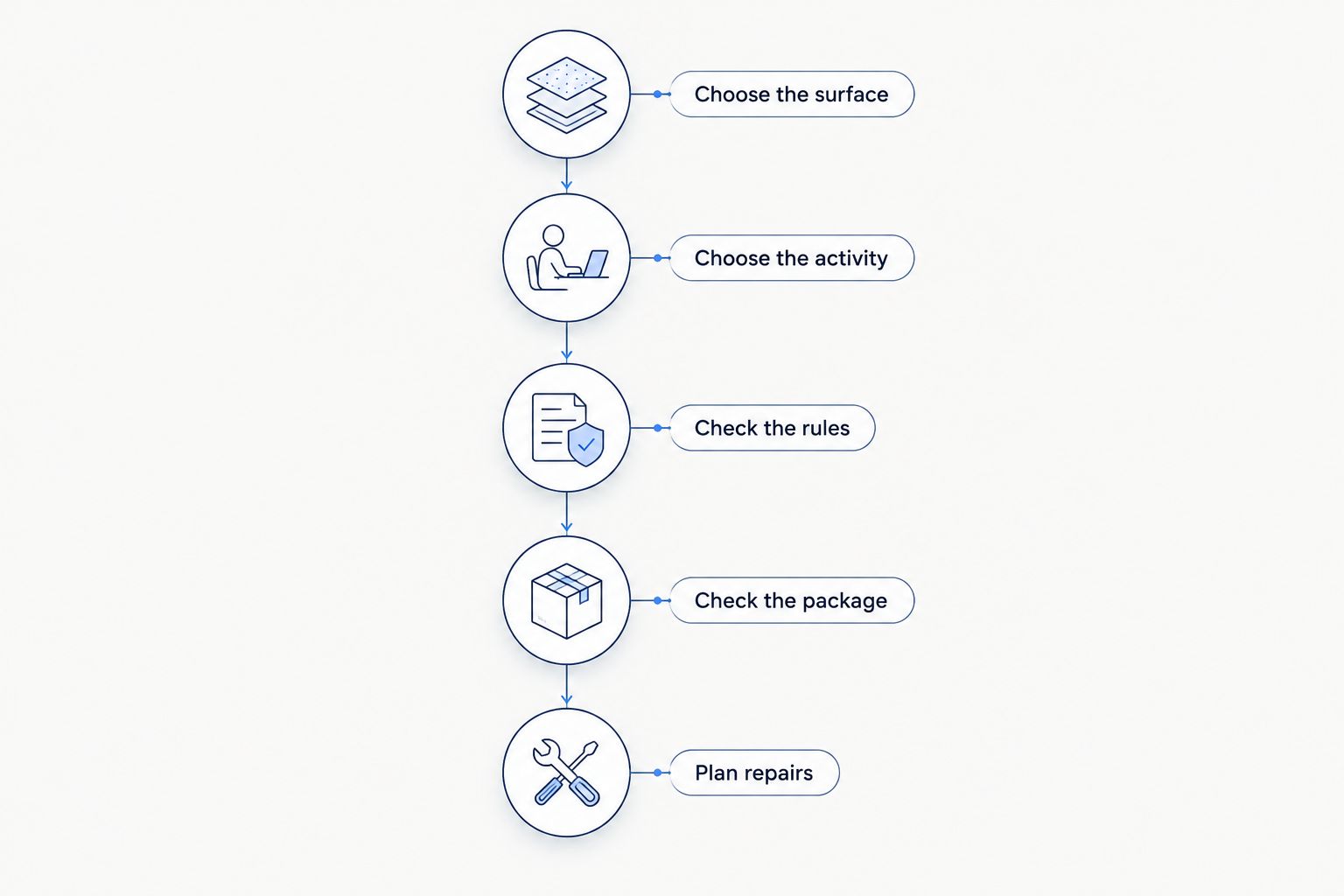
Before choosing a 2026 model, answer these questions in order:
- Choose the surface: Identify where you can actually drive, not where you hope to drive someday.
- Choose the activity: Decide whether you want casual driving, racing, crawling, or building.
- Check the rules: If racing is involved, confirm the class before choosing the vehicle.
- Check the package: List the equipment needed to complete and operate the exact version.
- Plan repairs: Identify replacement parts for the components most exposed to impacts.
This sequence prevents a common mismatch: buying the most appealing body first, then discovering that the chassis does not suit your driving area. Keep the intended activity written at the top of your shopping list.
How we ranked these RC cars
The 2026 recommendations rank each vehicle by its stated job: surface fit, driving purpose, completion format, repair planning, and race compatibility. This is a use-case buying guide, not a claim of comparative lap-time or durability testing.
No single chassis wins every category. The Slash takes the default recreational slot; the specialist picks earn their places by serving different driving goals.
Which 1/10 scale RC car should you choose?
Choose the Traxxas Slash 2WD if you remain undecided and want general recreational dirt driving. Choose the Team Associated RC10B7 only when buggy racing is the plan, and choose the ARRMA Gorgon when the monster-truck format is the point.
The Traxxas TRX-4 Sport and Tamiya TT-02 are clearer specialist decisions: crawling and pavement building, respectively. For local off-road plans, connect your shortlist with the driving and racing activities at Thercparks before settling on a category.
FAQ
What's the best 1/10 scale RC car for a beginner?
The Traxxas Slash 2WD is the default recommendation here for a beginner who wants recreational dirt driving. Choose a crawler or pavement car instead if that better matches where you will drive.
What's the best 1/10 scale RC car for indoor off-road racing?
The Team Associated RC10B7 is the racing pick here for a compatible 2WD buggy class. Confirm the exact chassis version, track surface, and class rules before buying.
Is 4WD better than 2WD for an RC car?
Four-wheel drive is not automatically better than two-wheel drive. Choose the drivetrain that matches the vehicle's purpose, driving surface, and race class rather than treating driven-wheel count as a quality score.
Should I buy an RC kit or a ready-to-run vehicle?
Choose a kit if you want assembly to be part of the hobby; choose a ready-to-run format if you want less initial building. Read the exact package contents because the label alone does not establish every included item.
Can a monster truck work as a rock crawler?
A monster truck is not a direct replacement for a purpose-built crawler. The ARRMA Gorgon suits recreational bashing, while the Traxxas TRX-4 Sport suits slow technical obstacle driving.
Are all 1/10 scale RC cars the same size?
No, the 1/10 scale label does not mean every RC car has identical dimensions. Compare the actual length, width, wheelbase, and ground clearance when fit matters.
What should I check before buying a 1/10 scale RC car in 2026?
Check your driving surface, intended activity, exact package contents, and replacement-parts options. For racing, confirm the class rules before choosing the chassis, motor, battery, or tires.
One last thing
A familiar scale label is not a compatibility promise. Two vehicles marked 1/10 scale can need different tires, batteries, bodies, and driving spaces. Check the exact model and component specifications before buying spares or borrowing equipment.
Bring your intended driving surface and activity into the conversation at Thercparks. Those details do more to narrow the right vehicle than a request for the fastest car.